Planning Your Egypt Museum Visit
Egypt's cultural sites are spread across a vast geography — from Alexandria in the north to Aswan and Abu Simbel in the deep south. Most international visitors focus on the Cairo–Luxor corridor, which contains the highest concentration of museums, temples, and monuments. Understanding how to structure your time is key to getting the most from your visit.
Cairo — The Cultural Capital
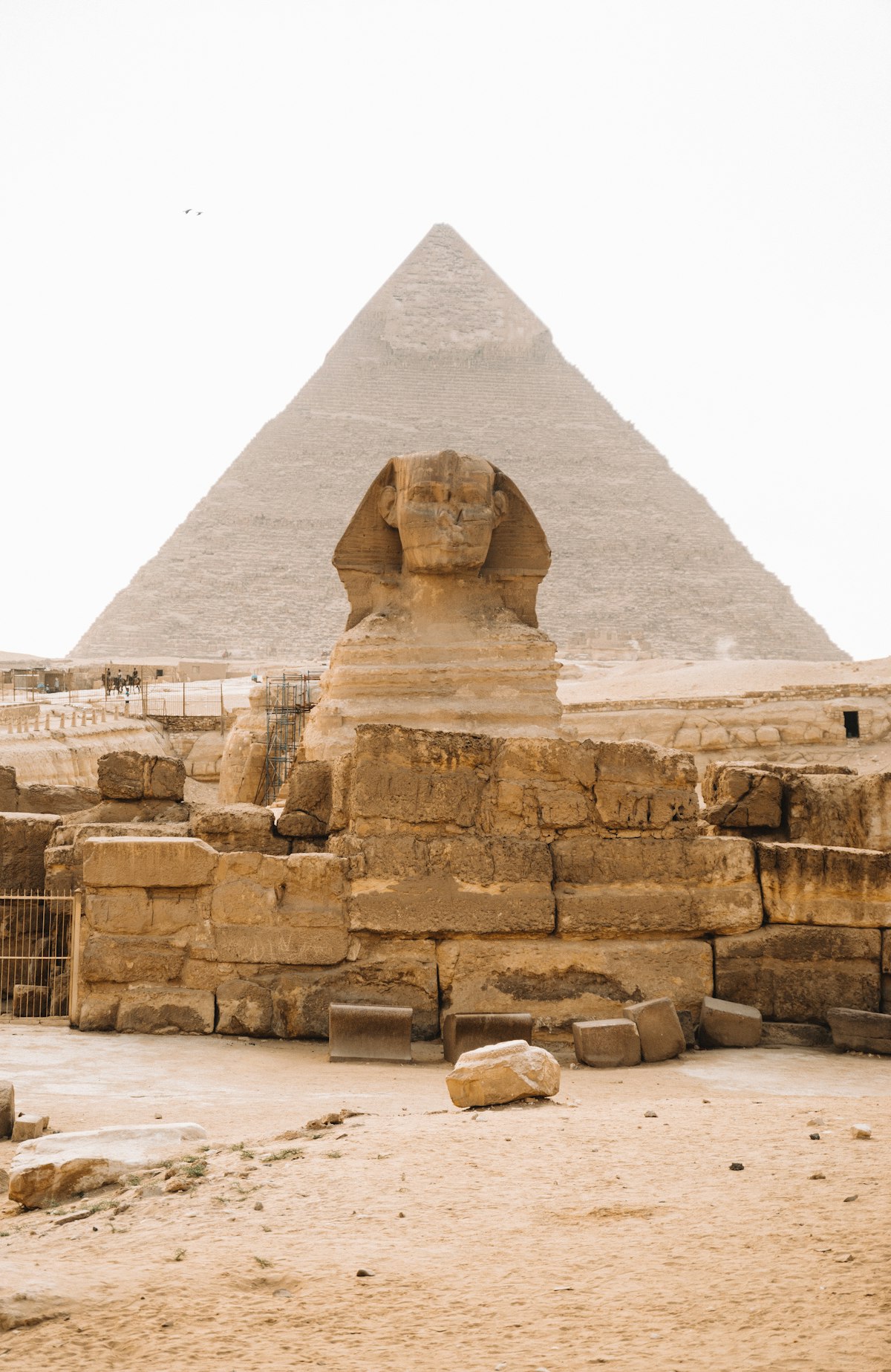
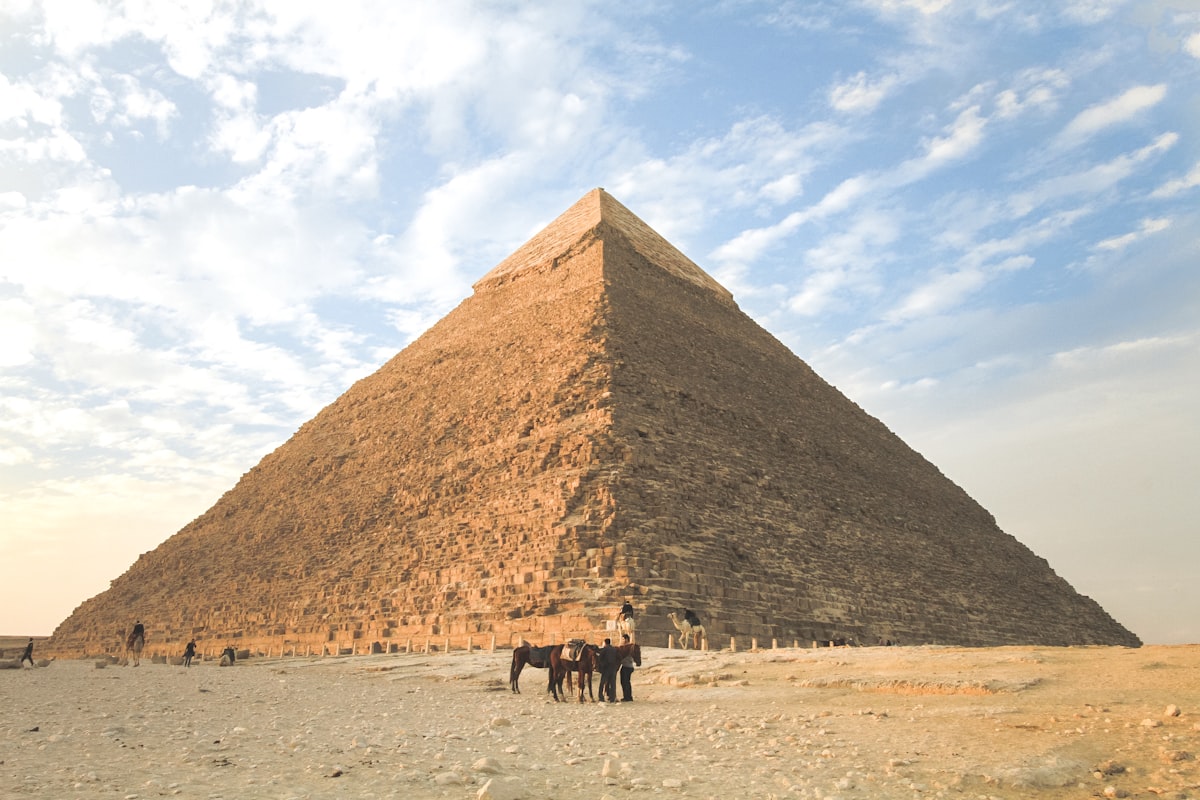
Cairo is the logical starting point for any Egypt cultural itinerary. The city is home to the Grand Egyptian Museum (Giza), the Egyptian Museum (Tahrir), the Coptic Museum in Old Cairo, the Museum of Islamic Art, and the National Museum of Egyptian Civilisation in Fustat. A well-planned three to four day Cairo itinerary can comfortably cover all major sites without feeling rushed. We recommend beginning with the Grand Egyptian Museum on day one, followed by the Pyramids of Giza, then the city's historic museums in subsequent days.
Luxor — The Open-Air Museum
Often called the world's greatest open-air museum, Luxor was the ancient city of Thebes — the capital of Egypt during the New Kingdom (c. 1550–1070 BCE). The city is divided by the Nile: the East Bank is home to the temples of Karnak and Luxor; the West Bank houses the Valley of the Kings, Valley of the Queens, and the mortuary temple of Queen Hatshepsut at Deir el-Bahari. Exploring both banks properly requires a minimum of two full days. We offer combined East and West Bank ticket packages with private transport included.
Dress Code & Practical Information
Egypt's archaeological sites are predominantly outdoor venues in a hot and sunny climate. Light, modest clothing covering shoulders and knees is both culturally respectful and practically comfortable. Bring sunscreen, a hat, and a reusable water bottle. Most major sites have drinking water available but at a cost. Photography is permitted in almost all areas, though some inner sanctuaries charge an additional photography fee. Our e-tickets include full practical information specific to each site.
Accessibility
The Grand Egyptian Museum was built with accessibility in mind and is one of the most wheelchair-friendly major museums in the Middle East, featuring ramps, lifts, and accessible restrooms throughout. Older sites such as Karnak and Luxor Temple have more challenging terrain — uneven stone surfaces are common. Please contact our support team before booking if you require specific accessibility assistance and we will advise on the best options for your needs.
Frequently Asked Questions — Egypt Tickets